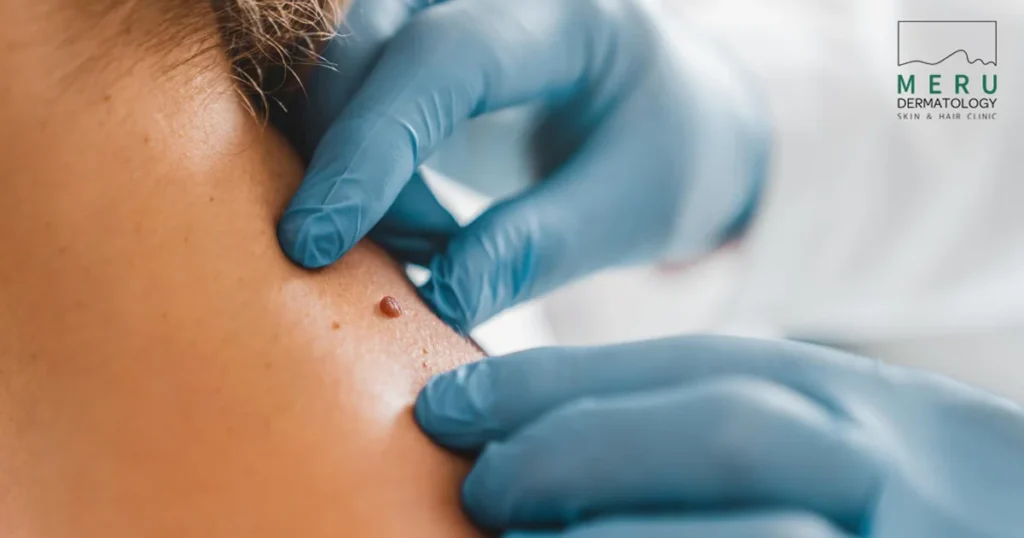
Skin tags are common, harmless growths that often appear on the neck, underarms, eyelids, groin, or under the breasts. Even though they are medically harmless, they can be irritating, cosmetically bothersome, or lead to friction and bleeding. A frequent concern many patients have is about whether they will return after treatment.
At Meru Dermatology Clinic, a doctor-owned and operated clinic in Madhapur and Jubilee Hills, Hyderabad, skin tag removal is performed with medical precision, safety, and long-term skin health in mind.
What Exactly Are Skin Tags?
Skin tags, medically known as acrochordons, are soft, skin-colored growths made of collagen and blood vessels. They commonly develop in areas where skin rubs against skin or clothing. Factors that increase the likelihood of skin tags include insulin resistance, weight fluctuations, hormonal changes, pregnancy, genetics, and conditions such as diabetes or PCOS.
Skin tags are not dangerous, but they can increase in number over time if the underlying causes are not addressed.
Professional Skin Tag Removal: Why Expertise Matters
Many people attempt home remedies or over-the-counter solutions for skin tag removal. These methods can cause infection, scarring, bleeding, or incomplete removal. Some growths that resemble skin tags may also need medical evaluation before treatment.
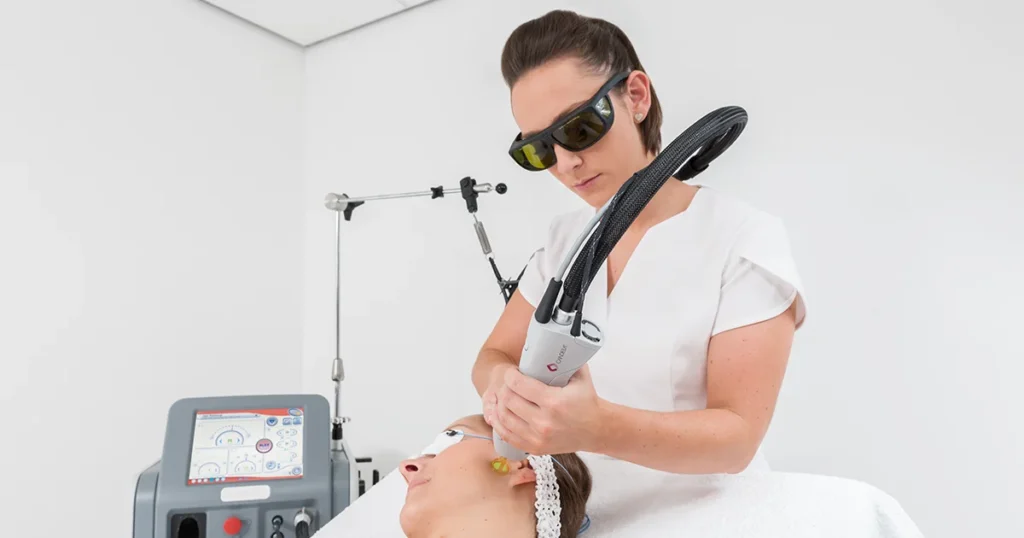
At Meru Dermatology Clinic, Dr. Divya K. carefully examines each lesion to confirm the diagnosis before removal. The procedure is quick, accurate, and performed in a sterile clinical setting. Depending on the size, number, and location, skin tags may be removed using radiofrequency, surgical CO2 laser, cautery, or minor surgical techniques. The goal is clean removal with minimal discomfort and excellent cosmetic healing.
Will Skin Tags Come Back After Removal?
A removed skin tag does not grow back. Once it is completely eliminated, that particular lesion is gone permanently. However, new skin tags can appear in the future, especially if causal factors such as friction, hormonal imbalance, insulin resistance, or weight gain persist.
This is why professional care goes beyond removal alone. Patients are also guided on preventive measures, lifestyle factors, and medical evaluations when needed. Removing root causes reduces the chances of developing new skin tags over time.
Healing, Aftercare, and Results
Recovery after skin tag removal is usually straightforward. Most patients resume normal activities immediately. Mild redness or scabbing may occur and typically heals within a few days. Proper aftercare, including keeping the area clean and protected helps in smooth healing and minimal marks.
Patients often feel relieved and more confident once irritating or visible skin tags are removed safely.
If skin tags are affecting your comfort or confidence, professional removal is a simple step toward healthier skin.
FAQs
1. Are skin tags dangerous?
A: Skin tags are not dangerous, but they should be evaluated if they change in color, size, or bleed.
2. Does skin tag removal hurt?
A: The procedure is quick and well-tolerated. We apply numbing cream and implement the procedure so that the discomfort is minimal.
3. Can I remove skin tags at home?
A: Home methods are not recommended as they can lead to infection, scarring, or misdiagnosis.
4. How long does the procedure take?
A: Most skin tag removals are completed within a few minutes, depending on the number and size.
5. Do skin tags indicate an underlying health issue?
A: Sometimes they are associated with insulin resistance or hormonal imbalance, which a dermatologist can guide you on.